Continuity of care. The better we know you, the better we can care for you.
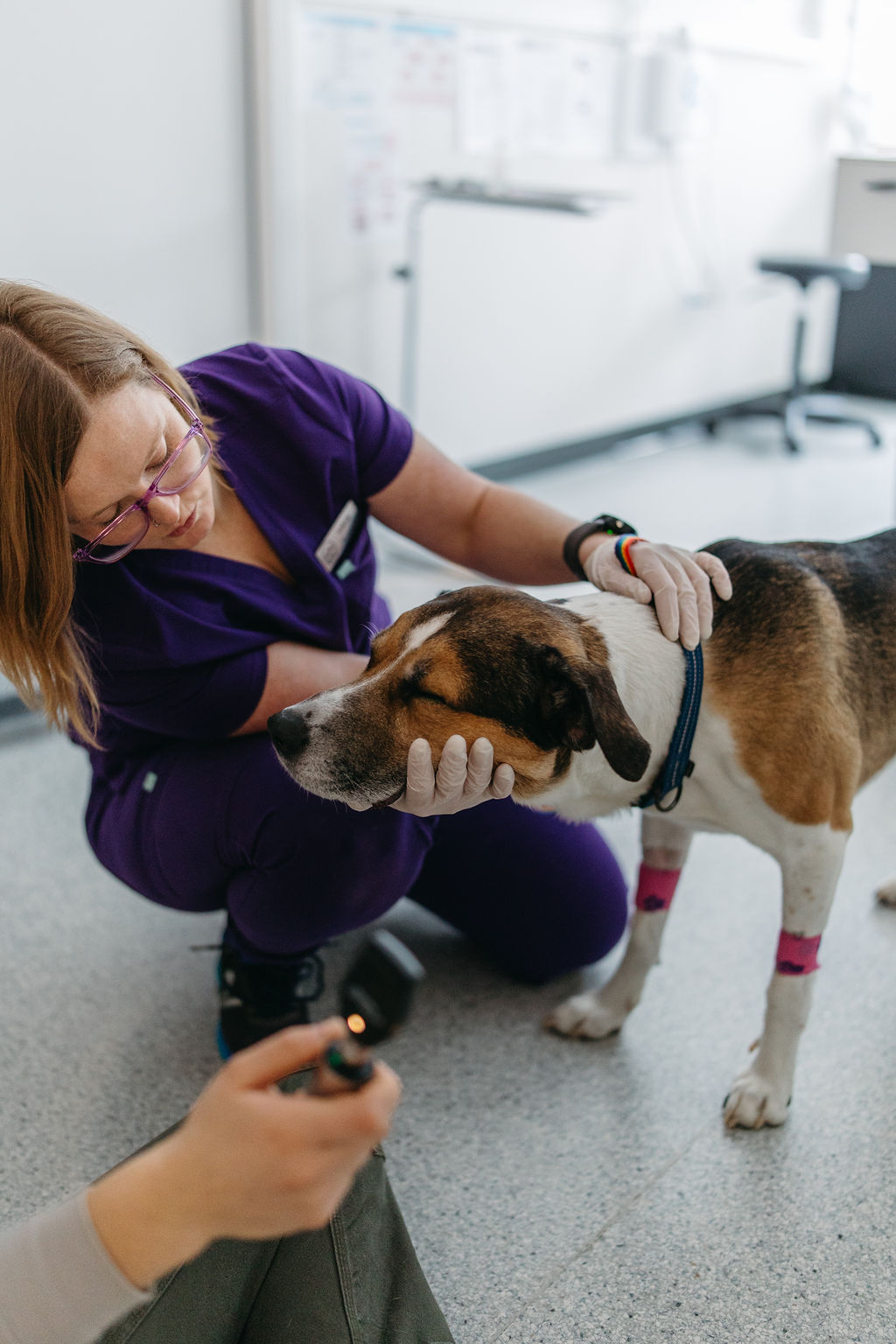
Your vet remembers that your dog hates having his left ear touched. She knows your cat's bloodwork from last spring and can spot a subtle shift without pulling up the chart. She remembers the conversation you had about your horse's weight three visits ago and checks in on it without being asked.
That's continuity of care. And it changes everything.
What Continuity of Care Actually Means
Continuity of care is the idea that an ongoing relationship between a patient, their family, and their care provider leads to better outcomes than a series of one-off visits with whoever happens to be available. It's a concept that's been studied extensively in human medicine, and the findings are striking. A systematic review published in BMJ Open found that higher continuity of care with the same doctor was associated with lower mortality rates across a wide range of patient populations and specialties.
In veterinary medicine, the principle holds just as strongly, maybe even more so. Your pet can't tell a new vet what's been going on. They can't describe their symptoms, explain that this limp is different from last time, or mention that they've been drinking more water than usual. That history lives in the relationship between the animal, the owner, and the veterinary team that knows them.
The Subtle Stuff Matters Most
The big things are usually obvious. A mass, a fracture, a sudden change in behaviour. Those get caught no matter who sees the patient.
It's the subtle changes that continuity catches. A slight difference in gait. A coat that's lost just a little bit of shine. An animal that's normally wiggly at the clinic but is unusually still today. These small signals are easy to miss if you're seeing the animal for the first time, but they jump out to a team that knows what "normal" looks like for that patient.
This is especially true for chronic conditions. Managing arthritis, allergies, heart disease, or endocrine disorders over months and years requires someone who understands the full arc of the case. What's been tried, what worked, what didn't, and what the owner's capacity is for managing medications, follow-ups, and lifestyle changes at home. When that thread of knowledge stays intact, adjustments happen faster, problems get caught earlier, and the overall quality of care goes up.
It's Not Just About the Vet
Continuity of care isn't only about seeing the same doctor every time (though that helps). It's about the entire team knowing you and your animals. The receptionist who remembers your dog's name. The technician who knows exactly how to handle your nervous cat. The consistent approach to record-keeping that means anyone on the team can pick up where the last conversation left off.
Research from Clinician's Brief highlights that clients see continuity of care as a shared responsibility. They want to understand the plan, know what to watch for at home, and feel confident that when they call, the person on the other end knows their pet's case. That kind of trust doesn't get built in a single appointment.
It also means follow-through matters. A post-visit call to check in. Timely reminders for bloodwork or vaccine boosters. Clear discharge instructions that actually make sense. These details add up, and they're what turn a veterinary visit into an ongoing relationship.
Why This Matters Even More in Rural Practice
In a larger urban centre, continuity can be hard to come by. Multi-doctor practices rotate schedules, emergency clinics see patients once and hand them back, and it's easy to fall through the cracks between providers.
In a community like ours, things work differently. When you come to Mount Remo, you're building a relationship with a team that's going to be here next month, next year, and five years from now. We see the puppy visit and the senior wellness check and everything in between. We know your herd's history, your barn setup, your comfort level with different procedures.
That kind of long-term knowledge isn't just nice to have. It directly improves the quality of care we can offer. We make more informed decisions because we're not starting from scratch every time.
Continuity and the Veterinarian-Client-Patient Relationship
The veterinary profession has a formal concept for this: the Veterinarian-Client-Patient Relationship, or VCPR. AAHA defines it as requiring that the veterinarian has sufficient knowledge of the patient, has physically examined the animal within the past 12 months, and is available for follow-up care.
But a good VCPR goes beyond the minimum requirements. It means your vet has enough context to offer truly personalized recommendations. It means the conversation about treatment options accounts for your specific situation, not just the textbook answer. And it means there's enough mutual trust that you feel comfortable being honest about your concerns, your limitations, and your goals for your animal's care.
That trust is the foundation of everything we do. It's what allows us to have real conversations about difficult decisions, to offer a genuine spectrum of care options, and to partner with you in the long-term wellbeing of your animals rather than just treating whatever shows up on any given day.
What This Looks Like for You
If you've been coming to Mount Remo for a while, you've already experienced this. You've seen how knowing the full picture helps us catch things early, adjust plans in real time, and tailor our approach to what actually works for your animal and your life.
If you're new to the clinic, this is what you can expect from us: a team that listens, remembers, and treats your animals like the individuals they are. We're not here for single transactions. We're here for the long haul.
The better we know you, the better we can care for you. It really is that simple.