Feeding For GI Upset
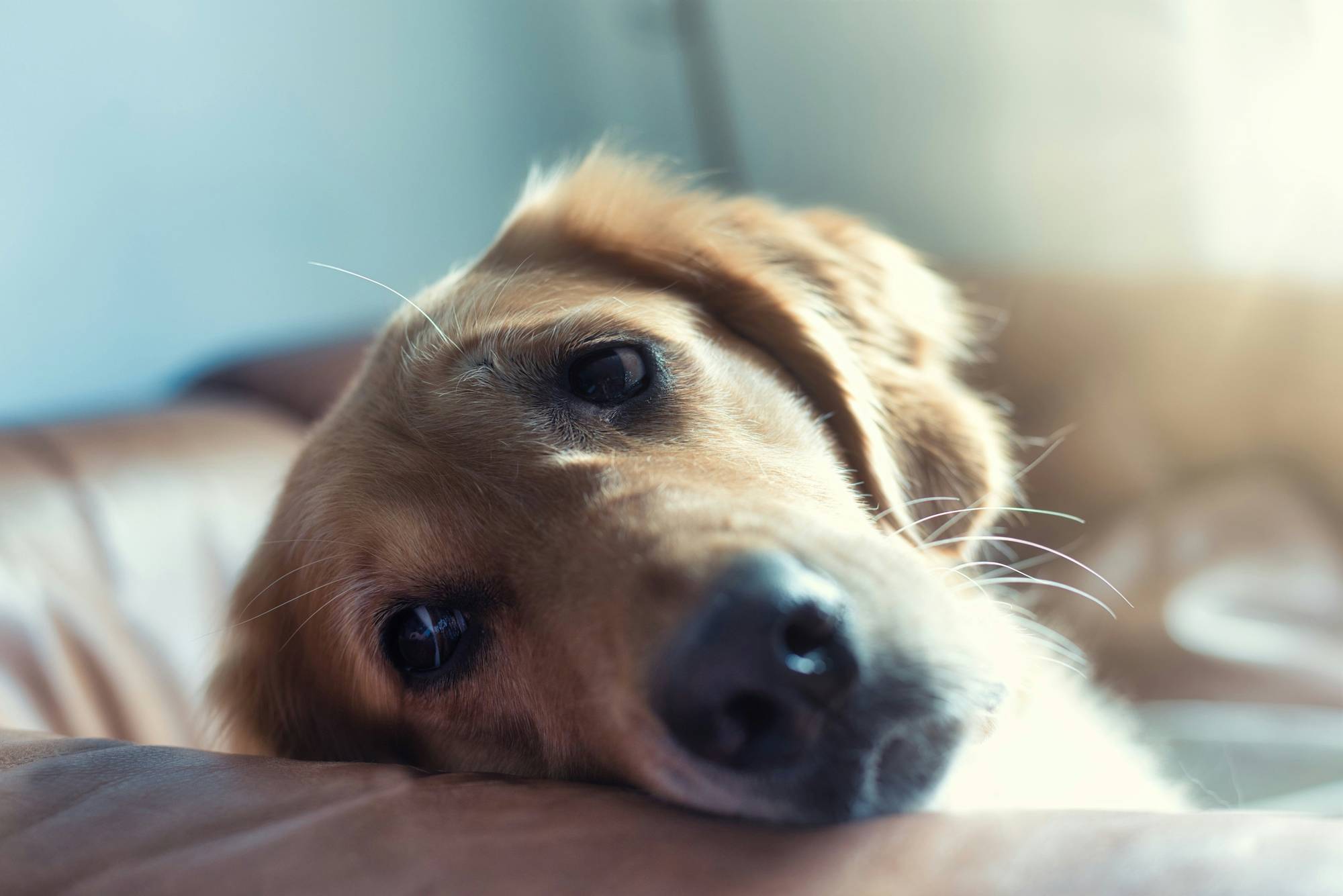
It is not uncommon for our canine companions to get an upset stomach for a short period of time every now and then. If we notice vomiting 1-2 times daily and/or soft stool while our dog is OTHERWISE ACTING NORMALLY, there is a good chance that this is related to a GI upset after eating something that irritated the stomach or intestines.
Below are recommendations on how to adjust your home management to help your dog recover faster. There is also a list of signs to watch for that should prompt you to seek veterinary medical attention.
Seek Veterinary Medical Attention If Your Pet's...
Vomit or diarrhea contains blood
Vomit or diarrhea is very frequent (3-4x daily) and/or large volumes (thinking about dehydration)
Appetite is significantly reduced or absent
Energy is reduced and they are less interested in their normal activities
Stomach hurts when you push on it, or they appear bloated
Dietary Recommendations
Remove access to their normal diet
No access to kibble, raw food, cat food, or human food
Feed small amounts of bland food every 2-4 hours if they can keep down the last meal
Volume should be equal to 1/4 of their normal portion size
Bland Diet
Pick ONE from each list and feed together.
Protein source (cooked): chicken breast, ground turkey, hamburger (rinsed to remove fat), low fat cottage cheese
Carbohydrate source (cooked): plain white rice, plain white potato, brown rice, whole wheat pasta
Transitioning Back to Normal
Continue to feed the bland diet for 2-3 days past their last episode of vomit or diarrhea
Then slowly add their normal diet to the bland diet: 1/4 normal / 3/4 bland for 1-2 days, then 1/2 each for 1-2 days, then 3/4 normal / 1/4 bland for 1-2 days, so that they are back to their normal diet 7-10 days after the last episode
Additions
Some dogs respond well to the addition of probiotics (Forti Flora, Aventi GI, or others) while others get worse symptoms
Ask your vet about adding something like Bio-Sponge to bind endotoxins and reduce inflammation