Measuring Resting Respiratory Rate at Home
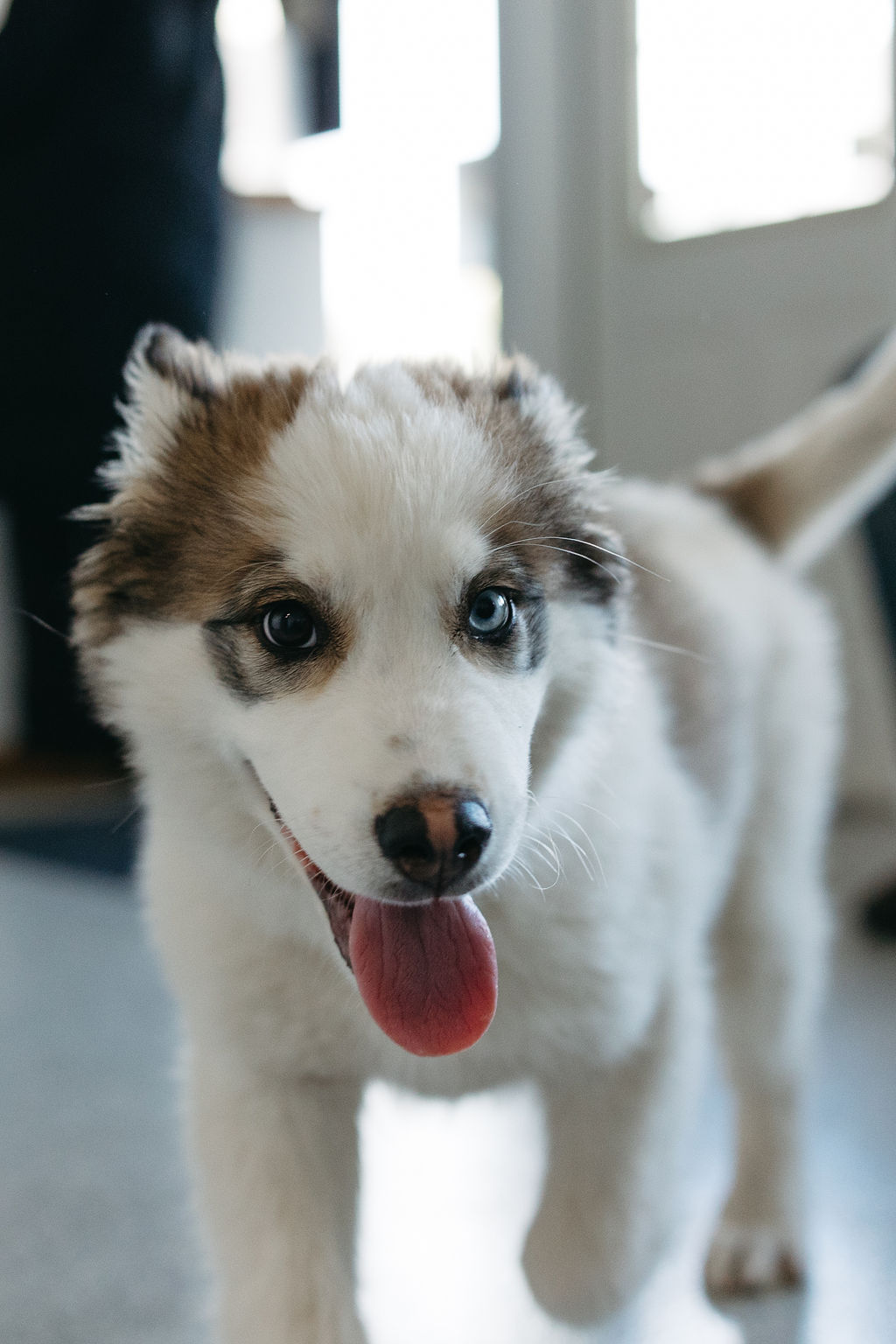
It is very useful to start counting resting respiratory rate at home.
How to Measure
Make sure that your pet is resting in their bed or a favourite place. They should be quiet and awake or asleep. Make sure that they are not dreaming. It is best not to count the respiratory rate while your pet is on your lap because stroking/petting them can change their breathing pattern.
It is often best for one person to time one minute and another person to count the number of breaths that your pet takes in that minute.
Remember to count each complete breathing cycle; a breath in and a breath out is counted as 1. Many people double count when they first start.
As you get better at monitoring the respiratory rate you can count the number of breaths over 15 or 30 seconds and multiply by 4 or 2 accordingly.
How Often to Monitor
Start by monitoring the resting/sleeping breathing rate daily initially. You can then check 3-4 times a week to get an idea of the usual breathing pattern. It is often best to keep a diary of the rates you measure.
What's Normal
Your pet's resting breathing rate will be somewhere between 15-35 breaths per minute currently. Many normal sleeping cats and dogs have resting breathing rates of 12-25 per minute. A low breathing rate is rarely cause for concern.
When to Call Your Vet
If your pet's resting/sleeping breathing rate is greater than 35 breaths per minute, then make sure they are sleeping/resting but not dreaming. Take another reading 5 minutes later, and another 5 minutes after that. If the resting/sleeping breathing rate is still greater than 35 breaths per minute, or if there is any evidence of increased effort, then call your vet for advice straight away.